

TL;DR: A peer room earns its place when a founder brings a specific live decision to it and leaves with the decision changed, not just discussed. The mechanism is simple and easy to get wrong: name a real call you are carrying, put it in front of people who have carried something close to it, and let them press on the parts you have been avoiding. If a room does not run that way, it is a meeting.
The decision this piece is meant to help you make is narrow: would a peer room actually change how you operate, or would it just add another recurring block to a calendar that is already full. That is the honest question, because most founders do not need more places to talk. They need one place where a hard call gets sharper, and it is worth knowing what that looks like in practice before you commit the time.
The unit of value is a live decision, not a topic
The founders who get something out of a peer room bring a decision, not an update. There is a real difference. "Here is how the quarter went" produces nods. "I have eleven months of runway, a board that wants me to push on growth, and a senior GTM hire I am no longer sure about, and I have to decide in three weeks" produces the kind of session that changes something.
The tell is specificity. A decision you can put in front of a room is one you can state as a choice with real constraints attached: the timeline, the dollars, the people, and the thing you are afraid is true. Vague questions get vague reactions. A precise decision exposes whether the people around the table actually understand the tradeoff, and it gives them something to push against.
This is also the first place a peer room goes wrong. If founders show up with status reports instead of decisions, the room drifts into a discussion club: interesting, cordial, and not load-bearing. The mechanism only works when someone is willing to put a real call on the table and let it be tested.
What a useful session actually looks like
Picture the version that works. A founder describes a decision they are carrying and the constraints around it. The room does not rush to advice. First it asks the questions the founder has been avoiding: what happens if the hire works and you cut them anyway, what does the board actually want versus what they say they want, what is the version of this where you are wrong.
Then a few people who have carried something close to it describe how their own version played out, including the part that went badly. That is different from encouragement and different from generic pattern-matching. It is one operator telling another what the decision looked like from the far side of it, with enough recent scar tissue that the pattern still transfers.
By the end, the useful session has usually done one of three things. It surfaced a tradeoff the founder had not weighted correctly. It named a risk they were quietly minimizing. Or it reframed the decision into a cleaner question than the one they walked in with. Notice what is not on that list: it did not simply make the founder feel better about the plan they arrived with. A session that only raises your confidence in the existing plan did not do the work.
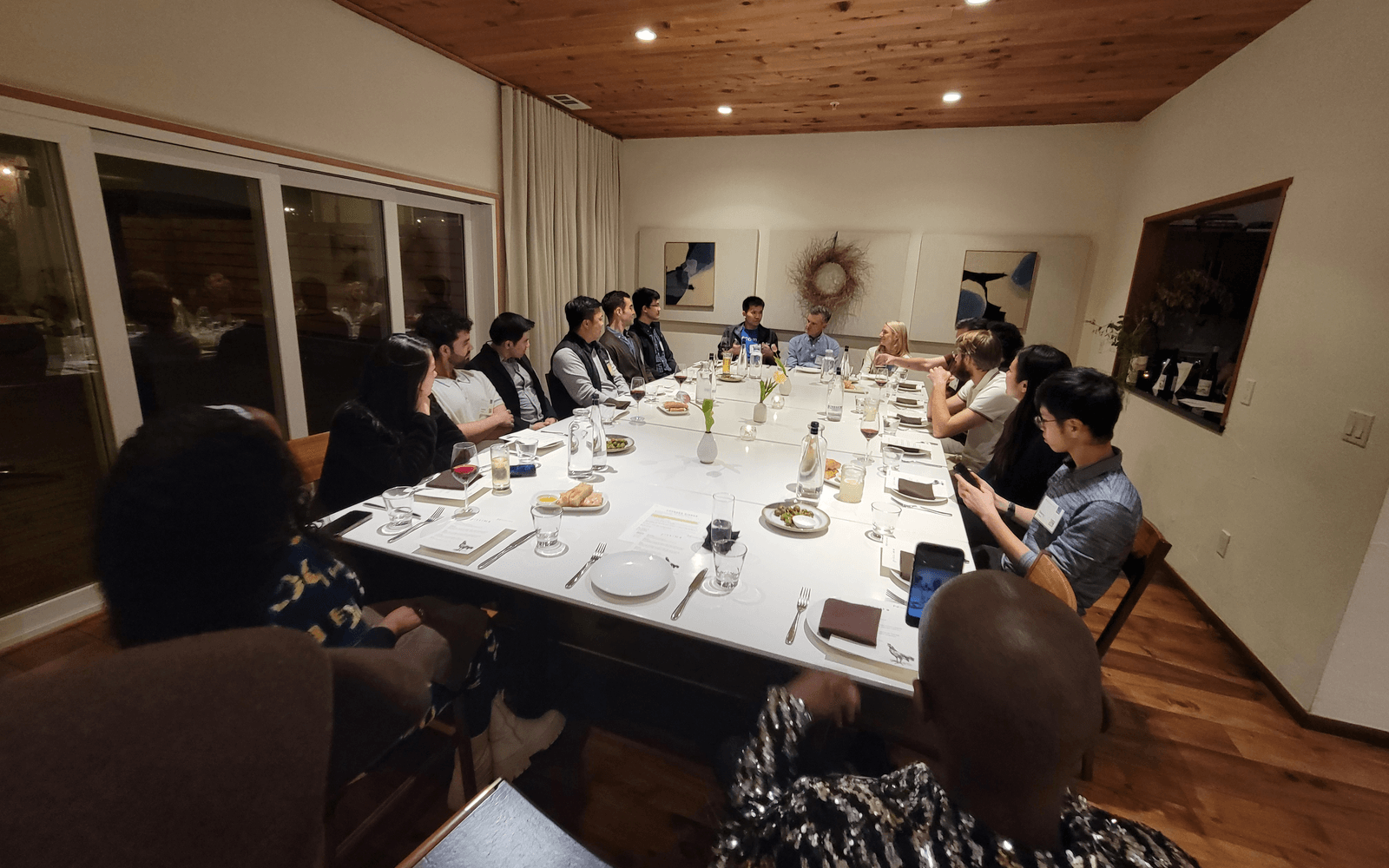 The unit of value is a live decision, brought to people who have carried something close to it.
You have to work the room, not just attend it
A peer room is not a service you consume. The founders who get the most out of one tend to be the ones who put the most in, and not because generosity gets rewarded. It is because pressing on someone else's decision is how you get sharper at stating your own. When you help another founder separate the real question from the noise in their situation, you build the same muscle for yours.
This is also why a room full of people who only show up with their own problems quietly stops working. The mechanism depends on enough people at the table having carried a decision close to the one being discussed, and being willing to describe how theirs actually went, including the parts that went badly. A founder who only extracts and never contributes is not just impolite. They are thinning the exact thing that makes the room worth attending.
So the practical test of whether you will get value is not only "do I have hard calls to bring." It is "am I willing to do the work on other people's." A room where enough people answer yes to both is the one that sharpens decisions. A room where most answer no to the second drifts back into a discussion club, no matter how good the intentions.
The decision, put plainly
So back to the question worth answering before you commit any time. A peer room changes how you operate if, and only if, you will actually use it the way it works: bring live decisions, state them precisely, and let people who have carried something close to them press on the parts you would rather skip. Run that way, it replaces a scattered dozen calls with one room built to sharpen the hard calls. Run any other way, it is another standing meeting with better catering.
The founders who get the most from a room tend to decide this honestly up front. They are not looking for a network to belong to or a calendar invite to attend. They are looking for a place to take the decision they cannot afford to process alone, and they are willing to do the uncomfortable part of naming it out loud. If that is the version you would actually use, explore whether FounderNexus fits your stage.